

Do You Need an Instrument Rating?
An instrument rating is the single biggest change in what a license lets you do. It is also a real commitment. This is how to work out whether you need one, and when.
What the rating actually gives you
A private pilot without an instrument rating generally operates under visual flight rules, which require specified flight visibility and cloud clearances.
You learn to control and navigate the aircraft by reference to instruments and to operate within the air traffic control system under IFR. A private pilot who does not hold an instrument rating is generally limited to operations conducted under visual flight rules; the rating adds the training and privileges needed to operate under instrument flight rules when the pilot, aircraft, weather, equipment, currency, and flight plan meet the applicable requirements.
The rating does not make every weather condition safe or every aircraft suitable. Thunderstorms, icing, winds, low ceilings, equipment limitations, pilot currency, and personal minimums can still make the correct decision no-go. The value is greater capability and better weather decision-making, not immunity from weather.

The honest test: do you need one?
Ask what you are actually going to do with the airplane.
You probably want the rating
- You want to use an airplane for transportation. This is the big one. A VFR-only pilot with somewhere to be on Tuesday cancels a lot of Tuesdays, and worse, feels pressure not to.
- You fly in the eastern half of the country. Our weather produces a lot of marginal days rather than clean go or no-go ones.
For airplane pilots pursuing a professional career, the instrument rating is normally an essential next step. A commercial pilot certificate issued without the corresponding instrument rating carries limitations on carrying passengers for hire at night or on cross-country flights exceeding 50 nautical miles.
For owners who use an aircraft for transportation, the rating can make more trips practical, subject to the aircraft’s equipment and the pilot’s proficiency and limits.
You may not need it yet
- You fly for the enjoyment of flying. If you go up on good days because good days are pleasant, VFR is a complete answer.
- You are still consolidating your private pilot certificate. Hours of comfortable, confident flying first make the instrument course far easier.
- You cannot commit to regular flying right now. Instrument training is especially sensitive to long gaps because instrument scan, procedures and workload-management skills benefit from regular repetition.
The safety argument, stated carefully
Continued flight into deteriorating weather by pilots not qualified for it is a long-recognized accident category, and it is one of the reasons instrument training exists. The rating is genuinely useful here, for a slightly indirect reason.
It is not only that you can fly in cloud. It is that instrument training makes you far better at reading weather, planning around it and knowing precisely where your own limits sit. Many instrument-rated pilots say the biggest change was in the decisions they make on the ground.
When to do it
The common advice is to start soon after the private pilot certificate, and there is sense in it. You are already current, already in the habit, already comfortable in the aircraft. The skills stack rather than restart.
The counter-argument is worth hearing too. You need 50 hours of cross-country time as pilot in command before the checkride, and that time is well spent actually going places. Flying trips as a VFR pilot for a season teaches you exactly what weather costs you, which makes the rating land differently when you do start.
To qualify for the instrument-airplane practical test, an applicant must log 50 hours of cross-country time as pilot in command, including 10 hours in airplanes. Instrument training may begin before those hours are complete. The details live in Part 61 instrument rating requirements. Two related reads: night flying and reduced visual cues and the career pilot pathway if the rating is a career step.
Either order works. What does not work is drifting: not flying much, not building cross-country time, and returning two years later needing to rebuild the basics first.
What the training is like
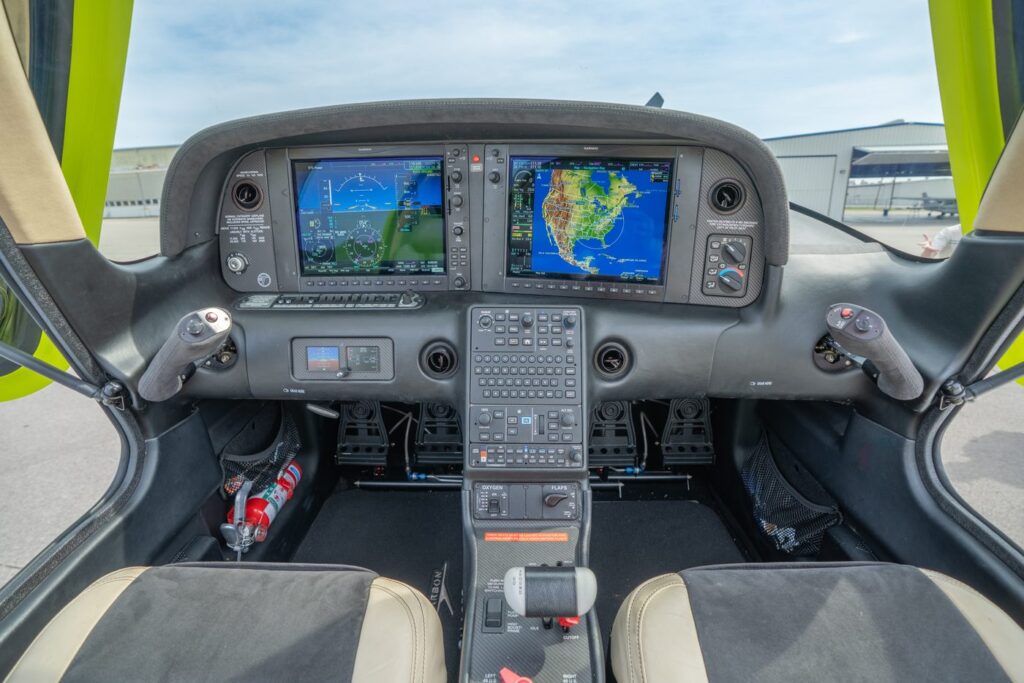
Different from anything you have done. Not harder in a physical sense, but far more precise. You will learn to hold assigned altitudes and headings precisely while managing radios, procedures, navigation and instrument approaches.
Most students find the first several hours humbling and then something clicks. The scan becomes automatic, capacity frees up, and the flying becomes genuinely satisfying in a way visual flying is not. Precision has its own pleasure.
Doing it in Louisville
Louisville is a good place to train for this. The historic Bowman Field is towered, Louisville Muhammad Ali International is next door, and there is enough approach variety within a short flight to see plenty of real procedures rather than the same one repeatedly.
If you have decided you want it, the companion piece to this one sets out every instrument rating requirement in plain English, including the 50-hour rule that quietly sets most people’s timeline. Our instrument rating page covers the course structure. If you want to talk through whether now is your moment, call the front desk on (502) 452-2115. Wait a season is a legitimate answer and we give it when it fits.
Talk it through first
Whether now is your moment depends on your hours and your plans. Wait a season is an answer we give when it fits.
See the instrument rating


